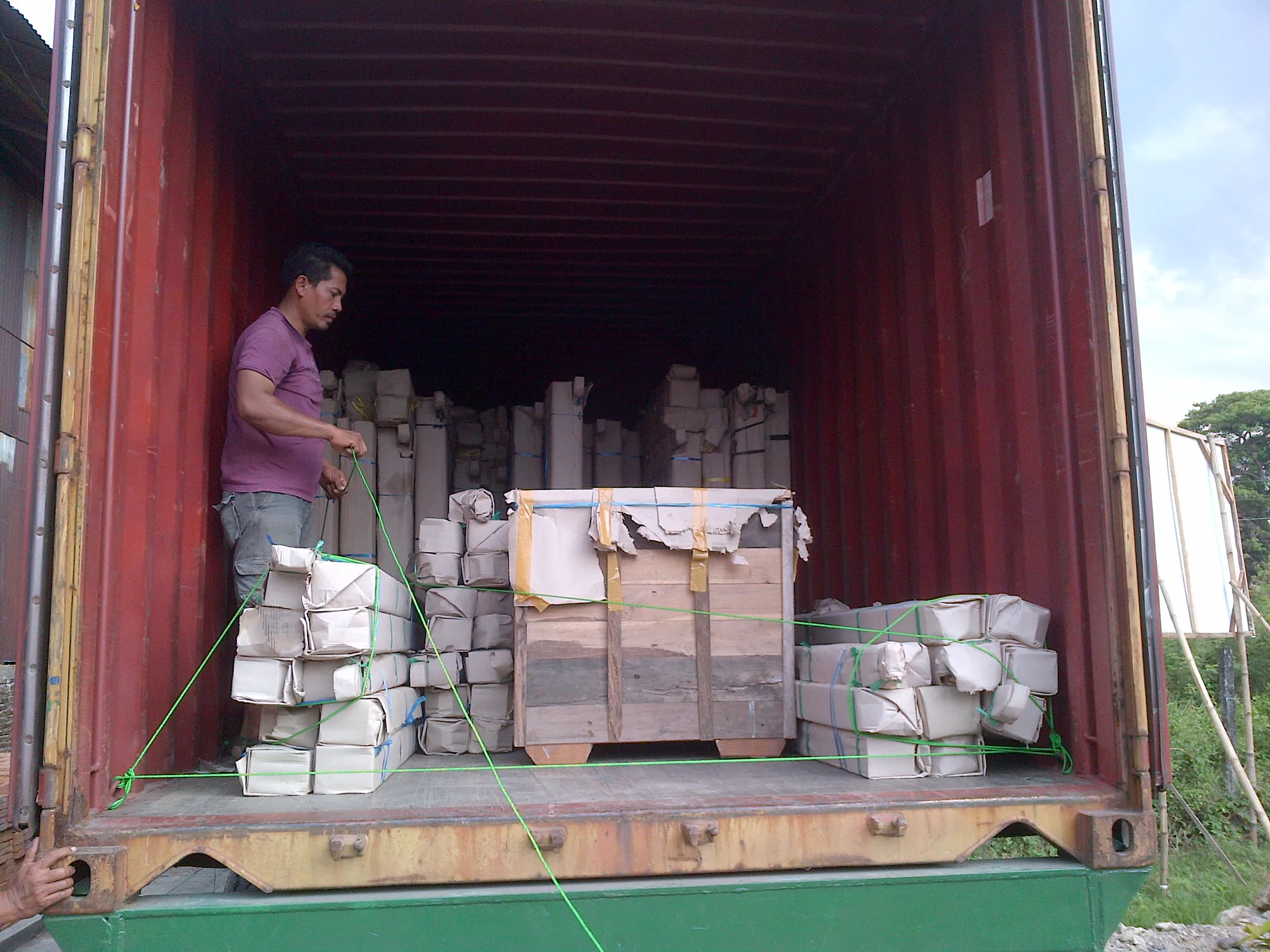
International delivery is often reduced to a freight quote. For handcrafted furniture and architectural timber, the risk is shaped much earlier: by dimensions, joints, protruding details, surface sensitivity, moisture condition, packing material, container loading, and the ability of the receiving team to identify every component.
Design the delivery path with the object
Before production is released, we check workshop access, road transport, container door clearance, destination access, lifting limits, and installation sequence. A piece can be strong in use and vulnerable in transit. Long unsupported spans, projecting carving, stone tops, and delicate finishes need their own restraint and protection logic.
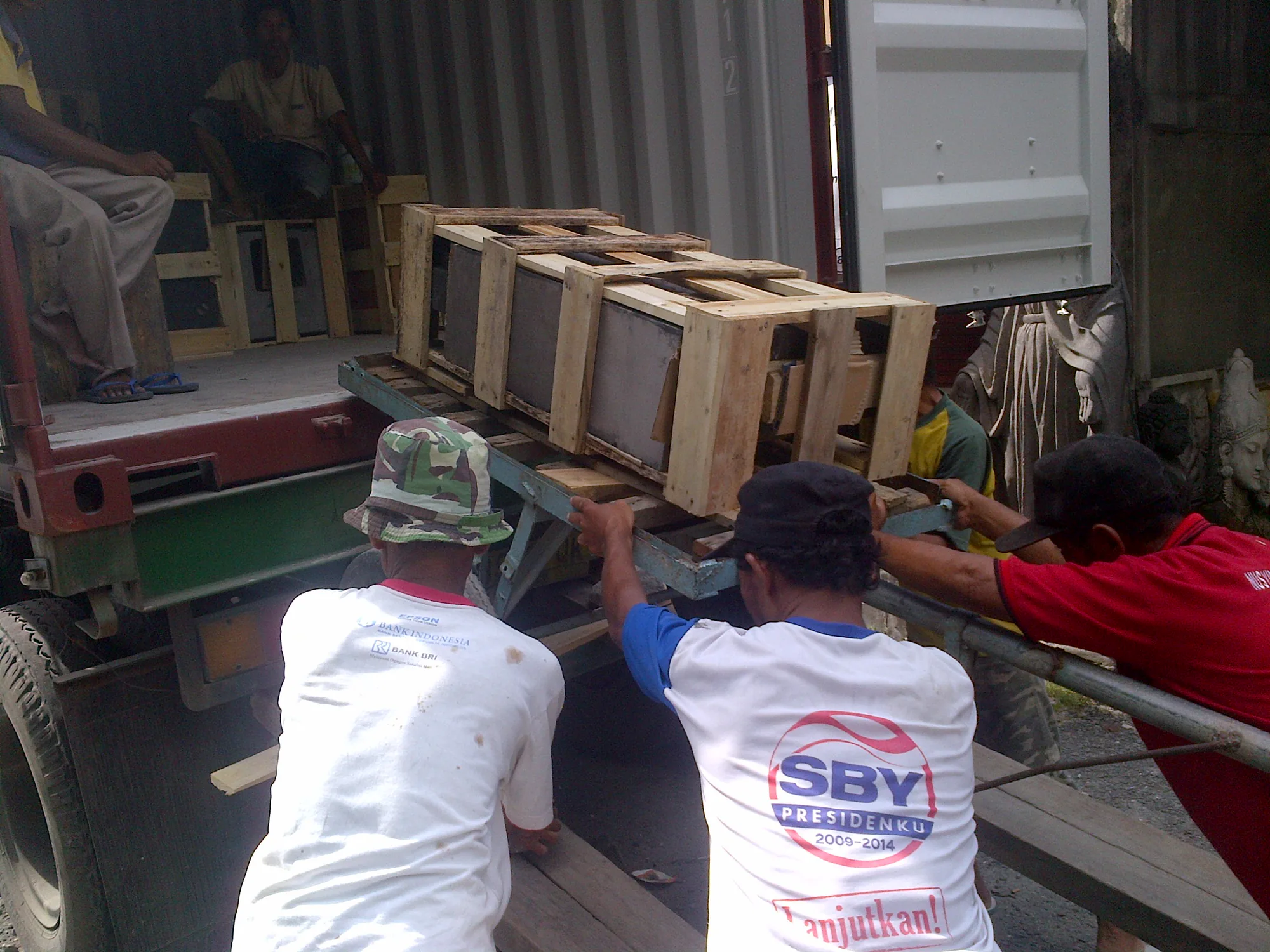
The packing system has separate jobs
- Surface protection prevents abrasion, imprinting, dust, and contact between incompatible finishes.
- Edge and projection protection spreads local impact away from vulnerable carving, corners, and hardware.
- Internal restraint stops an object from gaining momentum inside its crate.
- Container bracing manages movement of crates and components across the full transport unit.
- Identification links each part to the packing list, assembly drawing, room, and installation sequence.
These layers should be removable without forcing a receiver to lever against the finished object. Fastener location, opening direction, lifting point, center of gravity, and unpacking sequence need to be legible.
Wood packaging has phytosanitary rules
ISPM 15 addresses pest risk in raw wood packaging such as crates, pallets, boxes, and dunnage moving in international trade. It defines accepted treatment and marking systems. The standard describes exemptions for processed wood materials such as plywood. Solid wood packing requires careful compliance. Destination requirements and the current documentation route should be checked for every shipment.
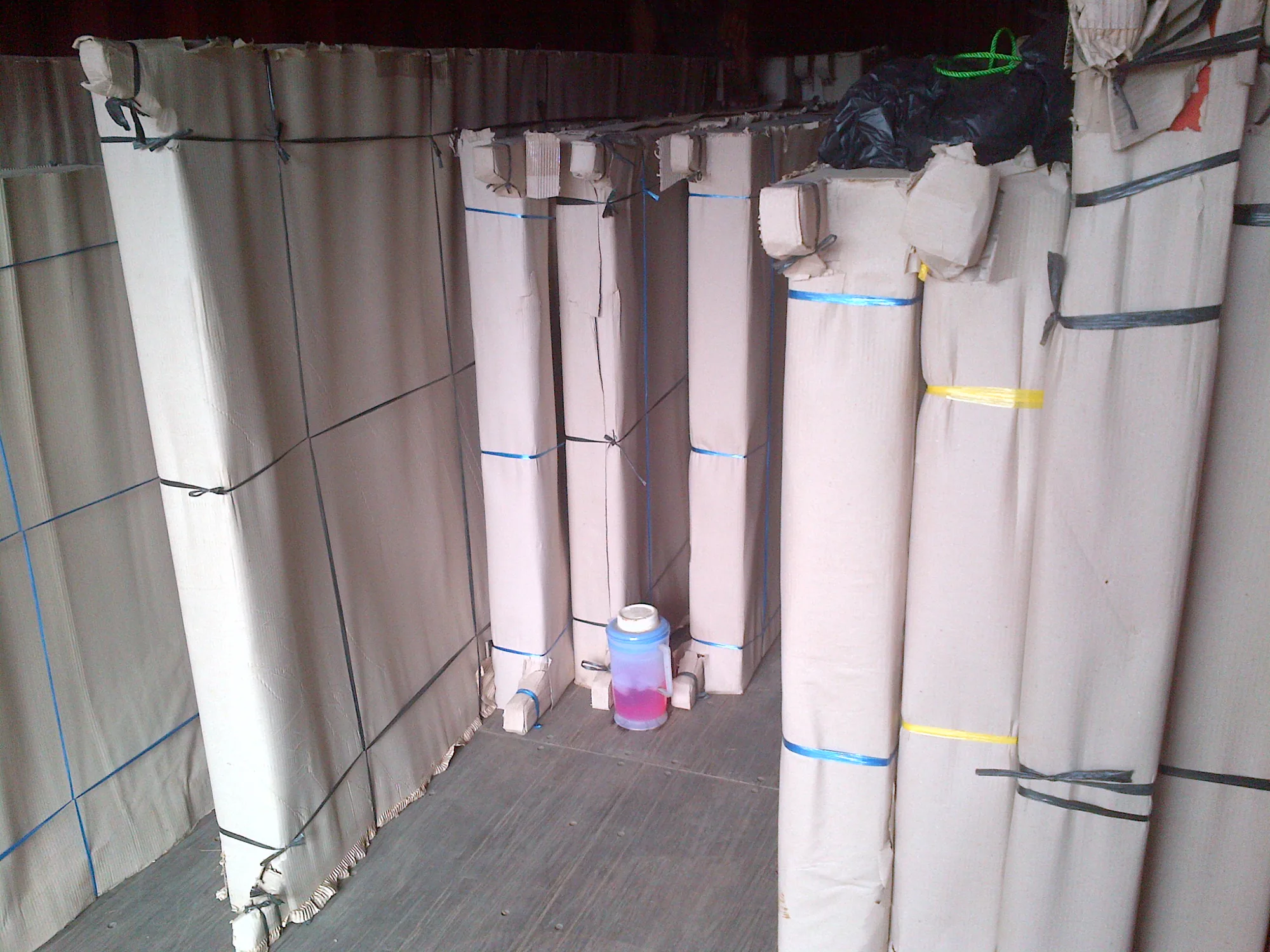
Receiving is part of shipping
Before departure, the destination team should receive a packing list, crate dimensions and weights, unloading requirements, component map, assembly information, finish care, and a damage reporting procedure. Delivery is complete when the work can be received, checked, moved, assembled, and installed without improvisation.
The delivery chain begins at the drawing, passes through the container, and ends with an installed piece.